Can the Gender of a Baby Be Determined by Its Heartbeat in the Womb?
For generations, expecting parents and families have been fascinated by the idea of predicting a baby’s gender long before birth. Among the many traditions and old wives’ tales, one belief stands out for its popularity: the baby’s heartbeat in the womb can reveal whether the baby is a boy or a girl. According to this belief, a faster heartbeat means a girl, while a slower heartbeat points to a boy. But how did this idea begin—and more importantly, can fetal heartbeat predict gender?
The concept of gender prediction by fetal heartbeat is deeply rooted in cultural storytelling and family folklore. Long before ultrasound scans and modern medical tests were widely available, people relied on observable signs during pregnancy to guess a baby’s gender. The fetal heartbeat was one such sign because it was measurable, fascinating, and easy to talk about. Once doctors could hear the baby heartbeat in the womb, families naturally began attaching meaning to the rhythm and speed they heard.
Where Did the Heartbeat Gender Belief Come From?
The belief that heart rate predicts gender likely gained traction when early pregnancy monitoring became common. People noticed that fetal heart rates varied from one pregnancy to another, and patterns were assumed. Over time, this observation turned into a widely accepted myth:
- Above 140 beats per minute = girl
- Below 140 beats per minute = boy
This idea spread quickly through word of mouth, pregnancy books, and later, online forums. Even today, many expecting parents ask doctors and sonographers whether fetal heartbeat gender prediction is true—often with excitement and curiosity rather than medical expectation.
Why the Myth Is Still So Popular?
Despite advances in science, the idea that gender prediction by fetal heartbeat is possible remains popular for a few key reasons. First, the fetal heartbeat is one of the earliest and most emotional moments of pregnancy. Hearing the baby heartbeat in the womb makes the pregnancy feel real, creating a strong emotional connection. It’s natural to want that moment to reveal more—especially something as exciting as gender.
Second, the myth is simple and harmless in appearance. Unlike invasive tests or complex scans, heartbeat-based gender guessing feels natural and safe. Many parents treat it as a fun guessing game rather than a medical fact, which helps the belief persist across cultures and generations.
Can Fetal Heartbeat Predict Gender Scientifically?
This is where belief and science begin to separate. While many people swear by their personal experiences, medical research does not support the idea that can fetal heartbeat predict gender in a reliable way. The fetal heart rate changes frequently during pregnancy and is influenced by several factors, including gestational age, fetal activity, maternal health, and even the time of day the measurement is taken.
Yet, the persistence of fetal heartbeat gender prediction continues to spark curiosity. Online searches about heartbeat-based gender clues have increased, especially among first-time parents eager for early hints before an ultrasound can legally or medically reveal gender.
A Belief That Reflects Curiosity, Not Diagnosis
It’s important to understand that the popularity of this belief reflects excitement and curiosity—not medical accuracy. The baby heartbeat in the womb is a vital indicator of fetal health, not gender. Doctors monitor heart rate to ensure the baby is developing well, not to determine whether the baby is male or female.
Still, the fascination remains strong. From pregnancy apps to family conversations, gender prediction by fetal heartbeat is often discussed as an early “clue,” even when people acknowledge it’s not scientifically proven.
Setting the Stage for Facts vs. Myths
As we explore this topic further, it’s essential to separate tradition from truth. While the idea that can fetal heartbeat predict gender is intriguing and emotionally appealing, understanding what science actually says helps parents make informed decisions—and enjoy pregnancy myths simply as lighthearted fun.
In the sections ahead, we’ll look closely at medical evidence, normal fetal heart rate patterns, and the real methods used for accurate gender determination. Until then, remember: the heartbeat tells a beautiful story of life—but not the baby’s gender.
What Is the Fetal Heartbeat and When Can It Be Detected?
One of the most emotional milestones in pregnancy is hearing the baby heartbeat in the womb for the first time. For many expecting parents, this moment brings reassurance, joy, and often curiosity—especially around popular questions like can fetal heartbeat predict gender. Before exploring gender myths, it’s important to understand what the fetal heartbeat actually is and when it can be detected.
What Is the Fetal Heartbeat?
The fetal heartbeat refers to the rhythmic contractions of the baby’s heart as it begins to develop early in pregnancy. The heart is one of the first organs to form, and its activity is a key indicator of fetal health. Medically, doctors use the fetal heartbeat to assess whether the pregnancy is progressing normally—not for gender prediction by fetal heartbeat, but for monitoring growth and well-being.
The heartbeat starts as electrical activity in a cluster of cells that will eventually form the heart. As the heart structure develops, this activity becomes a regular, measurable heartbeat. At this stage, the rate is typically much faster than an adult heart rate, which often fuels curiosity and myths about fetal heartbeat gender prediction.
When Does the Baby Heartbeat in the Womb Begin?
The fetal heart begins developing around 5 to 6 weeks of pregnancy, shortly after conception. At this stage, the heartbeat may not yet be audible, but it can often be detected through medical imaging.
Here’s when the baby heartbeat in the womb can usually be identified:
- 5–6 weeks: Cardiac activity may be visible on a transvaginal ultrasound
- 6–7 weeks: A clear heartbeat is often detectable via ultrasound
- 10–12 weeks: The heartbeat can usually be heard using a Doppler device
It’s important to note that early detection timing can vary based on the equipment used, the position of the uterus, and individual pregnancy factors.
What Does a Normal Fetal Heart Rate Look Like?
A normal fetal heart rate typically ranges between 110 and 160 beats per minute, depending on the stage of pregnancy. In early weeks, the heart rate may start slower and then increase rapidly before stabilizing later in pregnancy.
This wide and fluctuating range is one reason medical professionals caution against assuming can fetal heartbeat predict gender. The heart rate changes naturally as the baby grows, moves, sleeps, or becomes active inside the womb. These variations are normal and healthy, but they are often misinterpreted as clues for gender prediction by fetal heartbeat.
Why Do People Associate Heartbeat With Gender?
The belief in fetal heartbeat gender prediction comes from the idea that boys and girls have inherently different heart rates. According to popular belief:
- A faster heartbeat suggests a girl
- A slower heartbeat suggests a boy
However, these assumptions are based on anecdotal experiences rather than scientific evidence. While parents may compare stories and feel convinced by personal experiences, doctors emphasize that the baby heartbeat in the womb reflects development and oxygen supply—not biological sex.
What the Fetal Heartbeat Is Really Used For
From a medical perspective, the fetal heartbeat helps doctors:
- Confirm a viable pregnancy
- Monitor fetal development
- Detect potential complications early
- Assess fetal response to maternal health conditions
It is not used to answer questions like can fetal heartbeat predict gender or support gender prediction by fetal heartbeat. Gender determination requires visualization of reproductive anatomy or genetic testing, which happens much later in pregnancy.
Setting the Foundation for Understanding Gender Myths
Understanding what the fetal heartbeat truly represents helps put popular myths into perspective. While fetal heartbeat gender prediction remains a popular topic online and in family conversations, it’s important to recognize that heart rate alone cannot determine gender.
The baby heartbeat in the womb is a powerful sign of life and growth—but not a reliable indicator of whether the baby is a boy or a girl. In the sections ahead, we’ll explore scientific studies and medical explanations that further clarify why heartbeat-based gender prediction is more myth than fact.
The Origin of the Heartbeat Gender Myth
The idea that a baby’s gender can be guessed from its heartbeat is one of the most enduring pregnancy myths. Across cultures and generations, families have confidently claimed they could tell whether a baby was a boy or a girl simply by listening to the baby heartbeat in the womb. But where did this belief come from—and why does it still persist today? To understand why so many people ask can fetal heartbeat predict gender, we need to look at the historical, cultural, and emotional roots of this myth.
Life Before Ultrasound: Guessing Gender Without Technology
Long before modern imaging existed, expectant parents had no scientific way to determine a baby’s gender before birth. There were no ultrasound scans, genetic tests, or fetal anatomy studies. Curiosity and excitement, however, were just as strong as they are today. As a result, people relied on visible and audible signs during pregnancy to make guesses.
One of the earliest detectable signs of fetal life was the baby heartbeat in the womb. When early medical tools made it possible to hear or measure fetal heart rate, people naturally began attaching meaning to it. Over time, these observations evolved into assumptions—forming the foundation of gender prediction by fetal heartbeat.
The “140 Beats Per Minute” Rule
A key moment in the rise of fetal heartbeat gender prediction was the spread of a simple rule:
- A fetal heart rate above 140 beats per minute meant a girl
- A rate below 140 beats per minute meant a boy
This idea likely gained popularity because it was easy to remember and easy to test. Families compared heart rates with eventual birth outcomes and remembered the “correct” guesses more than the incorrect ones. This selective memory helped reinforce the belief and fueled the question, can fetal heartbeat predict gender, across generations.
Cultural Storytelling and Family Traditions
The heartbeat gender myth spread largely through storytelling. Grandmothers passed it down to daughters, neighbors shared it at clinics, and friends discussed it during pregnancy gatherings. Over time, gender prediction by fetal heartbeat became part of pregnancy folklore rather than a medical claim.
In many cultures, guessing the baby’s gender was treated as a joyful tradition. The baby heartbeat in the womb was one of the few tangible signs families could talk about, making it a perfect centerpiece for speculation. The emotional connection to pregnancy made these stories feel meaningful—even when they lacked scientific backing.
Why the Myth Feels Convincing
The myth’s persistence isn’t accidental. Fetal heart rate naturally varies from pregnancy to pregnancy and even from one appointment to the next. These fluctuations make it easy for people to find examples that seem to support fetal heartbeat gender prediction.
When a guess turns out to be right, it’s remembered and celebrated. When it’s wrong, it’s often dismissed as coincidence. This pattern reinforces belief and keeps the question can fetal heartbeat predict gender alive in online searches and everyday conversations.
The Role of Early Medical Observations
In the past, early medical understanding of fetal development was limited. Without large-scale studies, some early observations were misinterpreted as patterns. These informal observations unintentionally added credibility to gender prediction by fetal heartbeat, even though they were never scientifically proven.
As medical research advanced, it became clear that fetal heart rate is influenced by gestational age, fetal movement, oxygen levels, and maternal health—not gender. Still, the myth had already taken root.
A Myth Powered by Emotion, Not Evidence
The origin of fetal heartbeat gender prediction lies in curiosity, tradition, and emotional bonding—not science. The baby heartbeat in the womb symbolizes life, hope, and anticipation, making it easy to project meaning onto its rhythm.
Today, while medicine clearly explains why can fetal heartbeat predict gender is a myth, the belief remains popular because it adds excitement to pregnancy. Understanding its origin helps parents enjoy the tradition as harmless fun—while recognizing that true gender determination comes from medical science, not heart rate.
Does Heartbeat Speed Really Indicate Baby’s Gender?
One of the most common questions expecting parents ask is whether the speed of a baby’s heartbeat can reveal its gender. Many people believe that a faster heartbeat means a girl, while a slower one suggests a boy. This belief has fueled countless discussions, clinic-room guesses, and online searches asking can fetal heartbeat predict gender. But does the science actually support gender prediction by fetal heartbeat, or is it simply a well-loved pregnancy myth?
Understanding Heartbeat Speed in the Womb
The baby heartbeat in the womb is one of the earliest signs of life during pregnancy. Once detected, doctors carefully monitor heart rate because it provides crucial information about fetal health and development. Fetal heart rates are naturally higher than adult heart rates and change as the baby grows.
Typically, a fetal heart rate ranges between 110 and 160 beats per minute. In early pregnancy, it may even rise above this range before stabilizing later. These natural fluctuations are a key reason why fetal heartbeat gender prediction is unreliable.
The Popular Claim: Faster Equals Girl, Slower Equals Boy
According to popular belief:
- Above 140 bpm → girl
- Below 140 bpm → boy
This idea has been repeated for decades, leading many to assume that can fetal heartbeat predict gender is a medically accepted concept. However, this belief is based on anecdotal experiences rather than scientific research.
Heartbeat speed can vary significantly within the same pregnancy—from one appointment to the next—depending on factors unrelated to gender. Yet, these variations are often misinterpreted as gender clues, reinforcing the myth of gender prediction by fetal heartbeat.
What Science Says About Heartbeat Speed and Gender?
Medical studies have repeatedly shown that there is no consistent link between fetal heart rate and gender. Large-scale research comparing heart rates of male and female fetuses found no meaningful difference that could support fetal heartbeat gender prediction.
Doctors emphasize that heartbeat speed reflects the baby’s physiological state, not biological sex. In fact, the same fetus can show both “fast” and “slow” heart rates at different times of the day—making it impossible to draw conclusions about gender based on a single reading.
Factors That Actually Affect Fetal Heart Rate
To understand why can fetal heartbeat predict gender is a misleading question, it’s important to know what truly influences heart rate. These include:
- Gestational age (heart rate changes as the baby grows)
- Fetal movement and activity levels
- Sleep–wake cycles of the fetus
- Maternal health and stress levels
- Position of the baby during measurement
All of these can cause noticeable changes in the baby heartbeat in the womb, often within minutes. None of these factors are related to gender.
Why the Myth Continues to Feel True?
Despite clear medical evidence, fetal heartbeat gender prediction remains popular because of confirmation bias. When a guess turns out correct, it’s remembered and shared. When it’s wrong, it’s forgotten or brushed off. Over time, these selective memories make the myth seem more accurate than it actually is.
Social media and pregnancy forums also play a role in spreading stories that appear to support gender prediction by fetal heartbeat, even though they are not scientifically valid.
What Doctors Use Heartbeat Speed For?
From a medical standpoint, the baby heartbeat in the womb is monitored to:
- Confirm fetal well-being
- Detect distress or complications
- Track developmental progress
It is never used by healthcare professionals to answer questions like can fetal heartbeat predict gender. Gender determination requires anatomical visualization via ultrasound or genetic testing—methods far more reliable than heart rate.
Scientific Evidence: What Medical Research Actually Says
The belief that a baby’s gender can be identified by its heartbeat is widespread—but what does science actually say? While many parents still ask can fetal heartbeat predict gender, modern medical research offers a clear and evidence-based answer. To separate myth from fact, it’s important to understand what scientific studies reveal about gender prediction by fetal heartbeat and why this theory does not hold up under medical scrutiny.
What Medical Research Focuses On
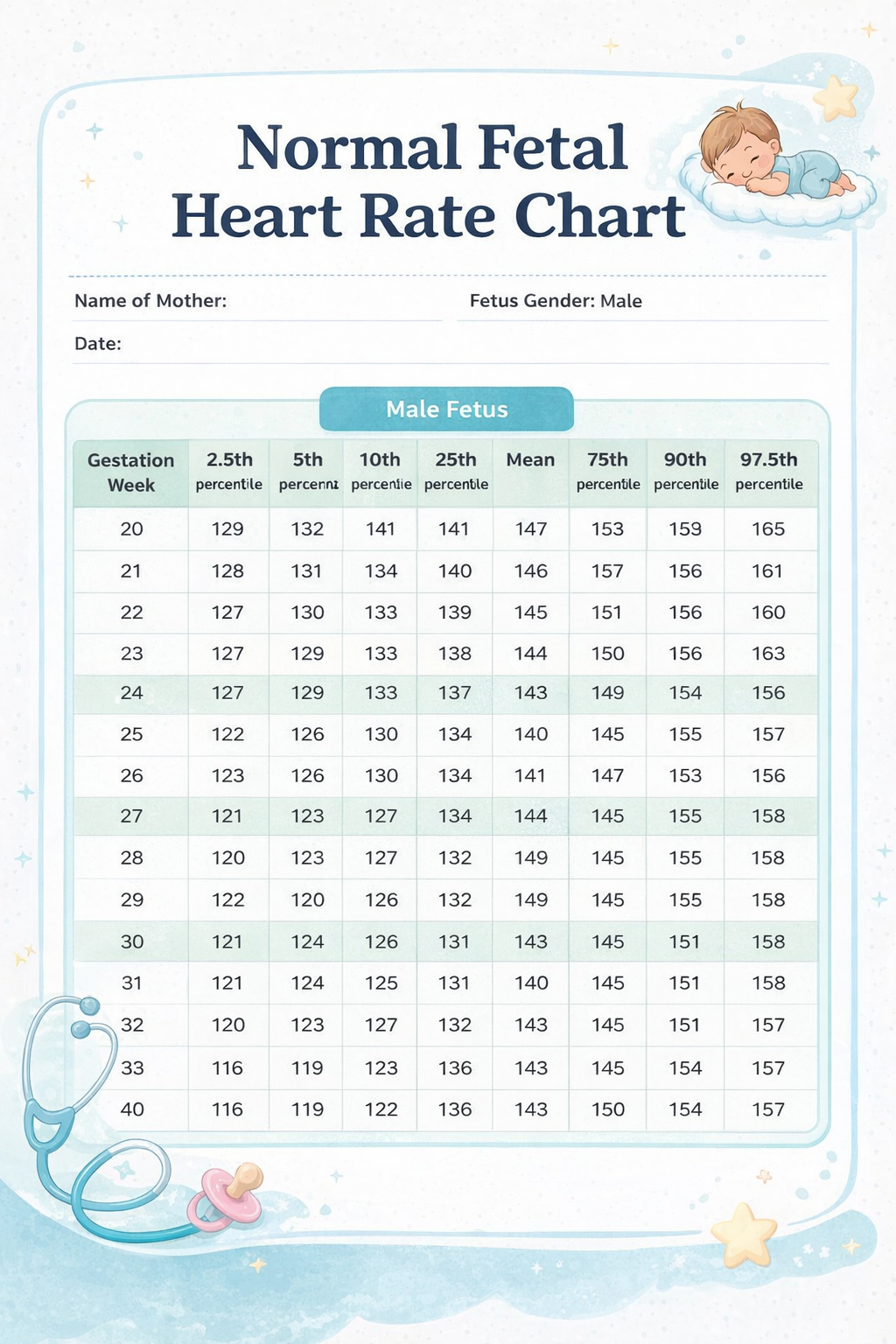
Medical research around the baby heartbeat in the womb is primarily focused on fetal health, not gender. Researchers study fetal heart rate to assess oxygen supply, nervous system development, and overall well-being. These studies are designed to detect distress or abnormalities—not to support fetal heartbeat gender prediction.
Over the years, multiple clinical studies have examined fetal heart rates in male and female babies to see if any consistent pattern exists. The results have been clear and consistent: there is no reliable difference in heart rate based on gender.
Findings From Clinical Studies
Several large-scale studies have compared the heart rates of male and female fetuses at various stages of pregnancy. These studies measured fetal heart rates during routine prenatal visits and tracked outcomes after birth. The conclusion across these studies was the same—there is no statistically significant correlation between heart rate and gender.
In other words, research does not support the idea that can fetal heartbeat predict gender in any meaningful or reproducible way. Heart rate ranges for boys and girls overlap almost completely, making it impossible to distinguish gender based on heartbeat speed alone.
Why Early Observations Were Misleading
Early assumptions about gender prediction by fetal heartbeat likely came from limited observations rather than controlled research. Before advanced imaging and data analysis were available, doctors and families relied on small sample sizes and anecdotal experiences. When a guess based on heartbeat happened to be correct, it reinforced belief in fetal heartbeat gender prediction—even though it was purely coincidental.
Modern research methods eliminate this bias by analyzing thousands of cases under controlled conditions. These methods clearly show that fetal heart rate variability is normal and expected, regardless of whether the baby is male or female.
What Actually Influences the Baby’s Heartbeat
Scientific evidence shows that the baby heartbeat in the womb is influenced by several biological and environmental factors, including:
- Gestational age
- Fetal movement and activity
- Development of the nervous system
- Maternal health and stress levels
- Time of measurement
These factors can cause noticeable changes in heart rate within the same fetus—sometimes even during the same appointment. This natural variability explains why fetal heartbeat gender prediction is scientifically unreliable.
Why the Myth Persists Despite Evidence
If research is so clear, why do people still ask can fetal heartbeat predict gender? One reason is confirmation bias—people remember the times the myth “worked” and forget when it didn’t. Another reason is emotional attachment. Hearing the baby heartbeat in the womb is a deeply personal experience, and parents often want it to reveal more than just health information.
Online forums and social media further amplify personal stories that appear to support gender prediction by fetal heartbeat, even though these stories are not backed by data.
What Medical Professionals Actually Rely On
Doctors do not use heartbeat speed for gender determination. Instead, they rely on:
- Ultrasound visualization of fetal anatomy
- Genetic testing when medically indicated
Heartbeat monitoring remains a crucial tool—but only for assessing fetal well-being. Medical professionals clearly state that fetal heartbeat gender prediction has no scientific basis.
Normal Fetal Heart Rate Ranges Explained
One of the most exciting moments in pregnancy is hearing the baby heartbeat in the womb for the first time. Along with joy and reassurance, this moment often sparks curiosity—especially questions like can fetal heartbeat predict gender. Many parents believe that heart rate ranges can reveal whether the baby is a boy or a girl. To understand why this belief persists—and why it’s misleading—it’s essential to first understand what normal fetal heart rate ranges actually look like.
What Is Considered a Normal Fetal Heart Rate?
A fetal heart rate refers to the number of times the baby’s heart beats per minute. Unlike adults, whose heart rates are much slower, a fetus has a naturally rapid heartbeat. In most healthy pregnancies, the normal fetal heart rate ranges between 110 and 160 beats per minute (bpm).
These numbers alone explain why fetal heartbeat gender prediction is unreliable. The range is wide, and healthy babies—regardless of gender—fall anywhere within it.
How Fetal Heart Rate Changes During Pregnancy?
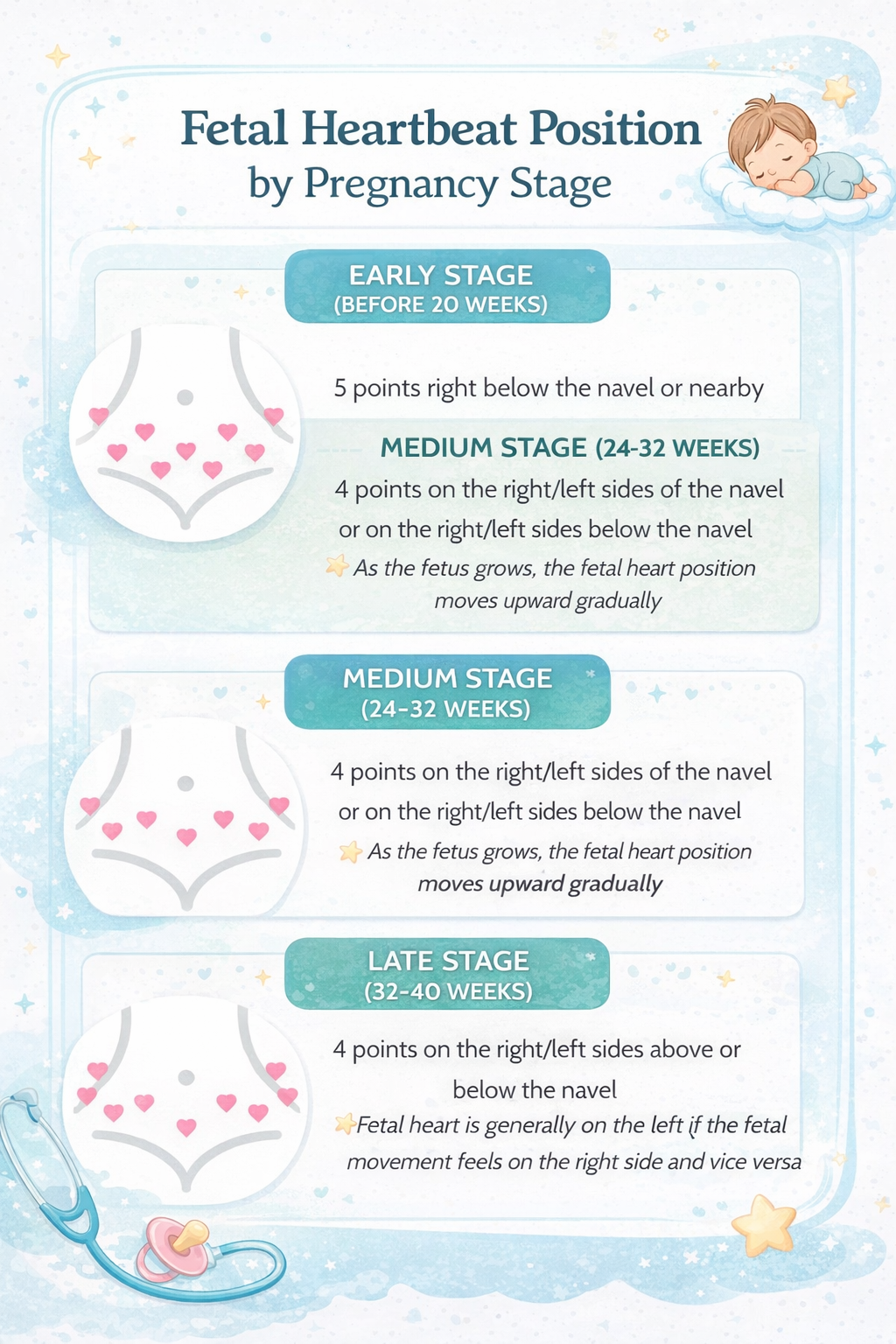
The baby heartbeat in the womb does not stay constant throughout pregnancy. It evolves as the baby grows and develops:
- Early pregnancy (5–7 weeks): The heartbeat begins and gradually increases
- Around 8–10 weeks: The heart rate often peaks, sometimes reaching 170–180 bpm
- After 10–12 weeks: The heart rate gradually slows and stabilizes
- Second and third trimesters: The heart rate remains within the normal 110–160 bpm range
These natural changes are driven by the developing nervous system—not gender. This alone challenges the idea that can fetal heartbeat predict gender in any consistent way.
Why Heart Rate Fluctuations Are Normal?
Fetal heart rate is highly dynamic. During an ultrasound or Doppler exam, doctors may notice the heart rate speeding up or slowing down. This can happen due to:
- Fetal movement or activity
- Sleep and wake cycles
- Maternal hydration or stress
- Gestational age at the time of measurement
Because the baby heartbeat in the womb can vary even within minutes, relying on a single reading for gender prediction by fetal heartbeat is medically unsound.
The Myth of the 140 bpm Rule
One of the most common myths claims:
- Above 140 bpm = girl
- Below 140 bpm = boy
While easy to remember, this rule has no scientific basis. Medical studies show that both male and female fetuses regularly have heart rates above and below 140 bpm at different times. This overlap completely undermines fetal heartbeat gender prediction as a reliable method.
What Doctors Actually Use Heart Rate For?
Healthcare professionals monitor fetal heart rate to:
- Confirm fetal viability
- Detect signs of distress
- Monitor oxygen supply and placental function
- Track neurological development
Doctors do not use heart rate to answer questions like can fetal heartbeat predict gender. Heart rate monitoring is about health—not gender identification.
Why Heart Rate Isn’t Linked to Gender?
From a biological standpoint, gender differences do not influence heart rate during fetal development. Male and female hearts develop in the same way in the womb, and their rhythms are controlled by the same physiological systems. This explains why gender prediction by fetal heartbeat lacks scientific support.
Understanding the Truth Behind the Numbers
When parents hear the baby heartbeat in the womb, it’s natural to search for meaning beyond medical reassurance. However, understanding normal fetal heart rate ranges helps put popular myths into perspective. The wide and variable range of healthy heart rates proves that fetal heartbeat gender prediction is based on coincidence, not evidence.
Factors That Influence a Baby’s Heartbeat in the Womb
Many expecting parents closely listen to the baby heartbeat in the womb, hoping it might offer clues about their baby’s gender. This curiosity often leads to the popular question: can fetal heartbeat predict gender? While the belief is widespread, understanding the real factors that influence fetal heart rate quickly shows why gender prediction by fetal heartbeat isn’t scientifically reliable.
Fetal Heart Rate: A Dynamic Vital Sign
The fetal heartbeat is a crucial indicator of a baby’s health and development. Doctors monitor it to ensure the fetus is receiving enough oxygen and developing normally. Importantly, the heart rate is not static—it changes frequently in response to normal physiological processes. These natural variations are often mistaken as evidence for fetal heartbeat gender prediction, when in fact they reflect healthy development.
Gestational Age and Development
One of the biggest factors influencing the baby heartbeat in the womb is gestational age. Early in pregnancy, the fetal heart rate rises rapidly as the heart forms and the nervous system develops. Around 8–10 weeks, it often peaks, then gradually slows and stabilizes later in pregnancy.
Because heart rate changes so dramatically over time, it becomes clear why can fetal heartbeat predict gender doesn’t hold up—two readings taken weeks apart can be very different for the same baby, regardless of gender.
Fetal Movement and Activity
Just like adults, babies have active and restful periods. When a fetus moves, kicks, or stretches, the heart rate often increases. When the baby is resting or sleeping, the heart rate slows slightly.
These normal activity cycles strongly influence fetal heartbeat gender prediction myths. A faster reading during movement may be misinterpreted as a “girl heartbeat,” while a calmer moment might be labeled a “boy heartbeat,” even though both readings belong to the same baby.
Sleep–Wake Cycles in the Womb
Yes—babies sleep in the womb too. During sleep phases, the baby heartbeat in the womb tends to be slower and more regular. During wakeful periods, it becomes faster and more variable.
This natural rhythm explains why heartbeat speed can change within minutes. These shifts have nothing to do with gender, further disproving gender prediction by fetal heartbeat.
Maternal Health and Emotional State
A mother’s health and emotional condition can influence fetal heart rate. Factors such as:
- Stress or anxiety
- Fever or illness
- Hydration levels
- Physical activity
can temporarily affect the baby heartbeat in the womb. These influences are well-documented in medical research and are another reason why can fetal heartbeat predict gender is not a medically sound question.
Placental Function and Oxygen Supply
The placenta plays a key role in supplying oxygen and nutrients to the fetus. Variations in placental blood flow can cause subtle changes in heart rate. Doctors closely watch these patterns to ensure fetal well-being—not to support fetal heartbeat gender prediction.
Any significant deviation in heart rate is treated as a medical concern, not a gender clue.
Measurement Timing and Technique
The method and timing of measurement also matter. Heart rate readings taken via ultrasound or Doppler can vary depending on:
- Baby’s position
- Accuracy of equipment
- Length of observation
A single reading is just a snapshot, not a definitive pattern. Relying on one measurement for gender prediction by fetal heartbeat is like judging an entire song by one note.
Why Gender Isn’t a Factor
From a biological perspective, fetal gender does not influence heart rhythm. Male and female hearts develop the same way in the womb and are regulated by the same physiological systems. This is why medical research consistently shows no link between gender and heart rate—making fetal heartbeat gender prediction a myth rather than a fact.
Why Heartbeat-Based Gender Prediction Is Unreliable?
The idea that a baby’s gender can be guessed from its heartbeat has been around for decades. Many parents hear a fast rhythm and wonder, can fetal heartbeat predict gender? Others compare numbers and try gender prediction by fetal heartbeat using popular rules passed down through families. While this belief is widespread and exciting, medical science is clear: heartbeat-based gender prediction is unreliable. Here’s why.
Heart Rate Naturally Changes—A Lot
One major reason fetal heartbeat gender prediction doesn’t work is that fetal heart rate is not constant. The baby heartbeat in the womb changes frequently throughout pregnancy—and even within the same appointment. Early in pregnancy, heart rates rise quickly, peak around 8–10 weeks, and then gradually settle into a wide normal range.
Because heart rate fluctuates so much, two readings taken minutes apart can differ significantly for the same baby. This variability alone makes it impossible to use heart rate as a dependable method for gender prediction by fetal heartbeat.
Many Factors Influence the Baby’s Heartbeat
Heartbeat speed reflects the baby’s current state—not gender. The baby heartbeat in the womb is influenced by:
- Fetal movement and activity
- Sleep–wake cycles
- Gestational age
- Maternal stress, hydration, or illness
- Timing and method of measurement
All of these factors can temporarily speed up or slow down the heart rate. None are related to whether the baby is male or female, which is why asking can fetal heartbeat predict gender leads to misleading conclusions.
The “140 bpm Rule” Is a Myth
A common claim says that a heart rate above 140 beats per minute indicates a girl, while below 140 suggests a boy. This simple rule is easy to remember, which helps explain its popularity. However, medical studies show extensive overlap in heart rate ranges between boys and girls.
Both male and female fetuses regularly record heart rates above and below 140 bpm at different stages. This overlap completely undermines fetal heartbeat gender prediction and proves that the rule has no scientific basis.
Single Readings Don’t Tell the Full Story
Heartbeat-based guessing often relies on a single measurement. But one snapshot cannot represent a pattern. The baby heartbeat in the womb can change due to movement, position, or even how long the Doppler probe is held in place.
Doctors assess trends over time to evaluate health—not gender. Relying on a one-time reading for gender prediction by fetal heartbeat is like predicting the weather from one cloud.
Confirmation Bias Keeps the Myth Alive
If heartbeat-based guesses are unreliable, why do so many people believe them? The answer lies in confirmation bias. When a guess turns out correct, it’s remembered and shared. When it’s wrong, it’s forgotten or dismissed as coincidence.
Social media and pregnancy forums amplify stories that seem to prove can fetal heartbeat predict gender, even though these anecdotes don’t reflect scientific evidence. Over time, repeated stories can feel like proof—even when they’re not.
Medical Research Shows No Gender Link
Scientific studies comparing fetal heart rates across large groups consistently show no meaningful difference between boys and girls. Heart rate distributions overlap almost completely. Medical research focuses on the baby heartbeat in the womb as a vital sign of health—oxygenation, nervous system development, and well-being—not as a gender marker.
This evidence is why healthcare professionals do not support fetal heartbeat gender prediction and caution against treating it as factual.
What Heartbeat Monitoring Is Really For
Doctors monitor fetal heart rate to:
- Confirm fetal viability
- Detect distress or complications
- Assess placental function and oxygen supply
- Track overall development
They do not use heart rate to answer can fetal heartbeat predict gender. Accurate gender determination requires anatomical visualization on ultrasound or genetic testing—not heart rate myths.
How and When Can a Baby’s Gender Be Medically Determined?
Curiosity about a baby’s gender is completely natural, especially after hearing the baby heartbeat in the womb for the first time. This excitement often leads to the popular question: can fetal heartbeat predict gender? While myths around gender prediction by fetal heartbeat are widespread, medical science follows very different—and far more reliable—methods. Understanding how and when a baby’s gender can be medically determined helps separate tradition from truth.
Why Heartbeat Is Not Used for Gender Determination
Before exploring accurate methods, it’s important to clarify one thing: doctors do not determine gender using heart rate. Despite popular belief, fetal heartbeat gender prediction has no scientific basis. The fetal heart rate changes due to development, movement, sleep cycles, and maternal factors—not gender.
The baby heartbeat in the womb is monitored to assess health and well-being, not to answer questions like can fetal heartbeat predict gender. For gender determination, medicine relies on anatomy and genetics.
Ultrasound: The Most Common Method
When Ultrasound Can Reveal Gender
The most common medical method for determining a baby’s gender is ultrasound imaging. During pregnancy, ultrasounds allow doctors to visualize the developing fetus, including external genitalia.
- Around 14–16 weeks: Gender may be identified, but accuracy can vary
- 18–22 weeks (Anomaly Scan): Gender determination is more accurate
At this stage, the fetus is developed enough for the sonographer to identify physical differences. Unlike gender prediction by fetal heartbeat, ultrasound relies on visible anatomy, making it far more reliable.
Why Accuracy Can Still Vary
Even with ultrasound, accuracy depends on:
- Baby’s position
- Image clarity
- Gestational age
- Technician experience
This is why doctors may avoid making early confirmations, even though parents are eager after hearing the baby heartbeat in the womb.
Blood Tests and Genetic Screening
Non-Invasive Prenatal Testing (NIPT)
Another accurate method is Non-Invasive Prenatal Testing (NIPT), a blood test done as early as 9–10 weeks of pregnancy. This test analyzes fetal DNA circulating in the mother’s blood.
NIPT can:
- Detect chromosomal conditions
- Identify fetal sex chromosomes with high accuracy
This method is based on genetics, not myths like fetal heartbeat gender prediction. However, it is typically recommended for medical screening, not purely for curiosity.
Invasive Diagnostic Tests (When Medically Needed)
In some medical situations, invasive tests may determine gender as part of genetic analysis:
- Chorionic Villus Sampling (CVS): 10–13 weeks
- Amniocentesis: 15–20 weeks
These tests are done to detect genetic conditions—not for routine gender identification. While highly accurate, they are only recommended when medically necessary.
Why Timing Matters in Gender Determination
Gender determination depends on fetal development. Although the baby heartbeat in the womb begins early, external genitalia develop later. This is why heartbeat myths gained popularity—people wanted early answers before anatomy was visible.
However, medical science confirms that can fetal heartbeat predict gender is the wrong question. The right question is when the body or genetic material can clearly show gender.
Legal and Ethical Considerations
In some countries, including India, laws regulate disclosure of fetal gender to prevent misuse. Even when medical technology can determine gender, doctors may legally be prohibited from revealing it.
This makes myths like gender prediction by fetal heartbeat even more popular—because people look for unofficial clues when official confirmation isn’t available.
Medical Reality vs Pregnancy Myths
To summarize:
- Heartbeat → health indicator
- Ultrasound & genetics → gender determination
No medical guideline supports fetal heartbeat gender prediction. The baby heartbeat in the womb is monitored for life and safety—not gender clues.
Ultrasound and Genetic Tests: Accurate Methods of Gender Detection
Hearing the baby heartbeat in the womb is an unforgettable moment—and it often sparks a big question: can fetal heartbeat predict gender? While myths around gender prediction by fetal heartbeat are popular, modern medicine relies on methods that are far more accurate and evidence-based. When it comes to knowing a baby’s gender, ultrasound imaging and genetic tests are the reliable options—not heart rate myths.
Why Heartbeat Myths Fall Short
Before diving into accurate methods, it’s important to clear the air. Fetal heartbeat gender prediction is not supported by science. Heart rate varies due to development, movement, sleep cycles, and maternal factors. The baby heartbeat in the womb is monitored to assess health and oxygenation—not gender. So if you’re wondering can fetal heartbeat predict gender, the medical answer remains no.
Ultrasound: Visual Confirmation of Anatomy
When Ultrasound Can Detect Gender
Ultrasound is the most commonly used method to determine a baby’s gender. It works by visualizing fetal anatomy, including external genitalia, once they are sufficiently developed.
- 14–16 weeks: Gender may be visible, but accuracy can vary
- 18–22 weeks (anatomy scan): Gender detection is more reliable
Unlike gender prediction by fetal heartbeat, ultrasound is based on what can be clearly seen—making it far more dependable.
What Affects Ultrasound Accuracy
Even with ultrasound, accuracy depends on several factors:
- Fetal position (crossed legs can obscure views)
- Gestational age
- Image clarity and equipment quality
- Sonographer’s experience
That’s why some parents are told to wait for confirmation, even after hearing the baby heartbeat in the womb early on.
Genetic Tests: The Highest Accuracy
Non-Invasive Prenatal Testing (NIPT)
Genetic screening through a maternal blood test—often called NIPT—can identify fetal sex chromosomes with very high accuracy. It can be done as early as 9–10 weeks of pregnancy by analyzing small fragments of fetal DNA circulating in the mother’s blood.
NIPT is:
- Highly accurate for gender determination
- Non-invasive and safe
- Typically recommended for screening chromosomal conditions
This method has nothing to do with fetal heartbeat gender prediction; it’s based on genetics, which makes it far more precise.
Diagnostic Genetic Tests (When Medically Indicated)
In certain medical situations, diagnostic tests may also reveal gender:
- Chorionic Villus Sampling (CVS): 10–13 weeks
- Amniocentesis: 15–20 weeks
These tests are performed to diagnose genetic conditions, not for routine gender discovery. While extremely accurate, they are only recommended when there’s a medical reason.
Why Timing Matters
Gender determination depends on development. While the baby heartbeat in the womb begins early, external genitalia develop later. This gap is why myths like can fetal heartbeat predict gender gained traction—people wanted early answers before anatomy or DNA could provide them.
Medical science shows that accuracy improves with time and the right tools, not with heart rate guesses.
Legal and Ethical Considerations
In some regions, disclosure of fetal gender is regulated by law to prevent misuse. Even when ultrasound or genetic tests can identify gender, healthcare providers may be legally restricted from sharing that information. This often fuels interest in unofficial ideas like gender prediction by fetal heartbeat, despite their lack of accuracy.
Medical Facts vs. Pregnancy Folklore
To put it simply:
- Heartbeat → health indicator
- Ultrasound → anatomical confirmation
- Genetic tests → chromosomal certainty
No medical guideline endorses fetal heartbeat gender prediction. The baby heartbeat in the womb tells a vital story of growth and well-being—not gender.
Legal and Ethical Considerations around Gender Determination
Curiosity about a baby’s gender is a natural part of pregnancy, especially after hearing the baby heartbeat in the womb for the first time. This excitement often leads to questions like can fetal heartbeat predict gender or interest in gender prediction by fetal heartbeat. However, beyond medical accuracy, gender determination is also shaped by important legal and ethical considerations. Understanding these boundaries helps parents make informed, responsible choices—and appreciate why myths persist.
Why Gender Determination Is Regulated
In many parts of the world, the disclosure of fetal gender is regulated to prevent misuse and discrimination. Laws and professional guidelines exist to protect unborn children and promote ethical medical practice. Even when technology can identify gender accurately, healthcare providers may be legally restricted from sharing it.
These restrictions are a major reason why informal ideas like fetal heartbeat gender prediction remain popular. When official disclosure is limited, people turn to myths and guessing games—asking again and again, can fetal heartbeat predict gender—despite the lack of scientific support.
The Ethical Duty of Healthcare Providers
Medical professionals have an ethical responsibility to prioritize patient well-being and public interest. The baby heartbeat in the womb is monitored to assess fetal health, oxygenation, and development—not to determine gender. Using medical tools for non-medical purposes can raise ethical concerns.
Ethically, doctors are expected to:
- Use diagnostic tools for health-related reasons only
- Avoid reinforcing myths like gender prediction by fetal heartbeat
- Provide accurate, evidence-based information
- Respect laws governing prenatal care and disclosure
Promoting or indulging fetal heartbeat gender prediction as fact would conflict with these responsibilities.
Preventing Gender Bias and Discrimination
One of the strongest ethical arguments around regulating gender determination is the prevention of gender-based discrimination. In societies where cultural preferences exist, early gender disclosure can contribute to harmful practices and social imbalance.
By restricting gender disclosure, healthcare systems aim to ensure that the baby heartbeat in the womb is celebrated as a sign of life—regardless of gender. This ethical stance reinforces why medical professionals clearly state that can fetal heartbeat predict gender is not a valid or acceptable approach.
Why Myths Feel “Safer” to Some Parents
Because myths are unofficial and unregulated, many parents view them as harmless fun. Gender prediction by fetal heartbeat is often treated as a playful tradition rather than a medical claim. However, even casual myths can unintentionally reinforce gender stereotypes or expectations.
Ethically, it’s important to recognize the difference between lighthearted curiosity and practices that may contribute to bias. Understanding that fetal heartbeat gender prediction is a myth helps keep the focus on health and equality.
Informed Consent and Transparency
Another ethical cornerstone in medicine is informed consent. Patients deserve clear explanations about what a test can and cannot reveal. When doctors explain that the baby heartbeat in the womb cannot determine gender, they are practicing transparency and protecting patients from misinformation.
This honesty is crucial in countering repeated online searches asking can fetal heartbeat predict gender, which often circulate misleading or anecdotal claims.
Respecting Cultural Sensitivity—Without Spreading Misinformation
Cultural traditions around pregnancy are deeply personal and meaningful. Ethically sensitive care respects these traditions while still providing accurate medical guidance. Doctors can acknowledge curiosity around gender prediction by fetal heartbeat while clearly explaining that it is not scientifically valid.
This balanced approach allows families to enjoy cultural practices without confusing myth with medical fact.
The Role of Education in Ethical Care
Education plays a vital role in addressing both legal and ethical concerns. When parents understand:
- Why gender disclosure is regulated
- Why fetal heartbeat gender prediction isn’t reliable
- What the baby heartbeat in the womb truly represents
they are more likely to trust evidence-based care and less likely to rely on myths.
Common Myths vs. Medical Facts About Fetal Gender
Pregnancy is filled with excitement, curiosity, and plenty of age-old beliefs. One of the most talked-about ideas is whether a baby’s gender can be predicted from its heartbeat. Many families still ask, can fetal heartbeat predict gender, and rely on traditional rules passed down through generations. To make informed decisions, it’s important to separate myths from medical facts—especially when it comes to gender prediction by fetal heartbeat.
Myth 1: A Faster Heartbeat Means a Girl
- The Myth:
If the fetal heart rate is above 140 beats per minute, the baby is a girl. - The Medical Fact:
Medical research has consistently shown no reliable connection between heart rate speed and gender. The baby heartbeat in the womb naturally ranges between 110 and 160 bpm and can move above or below 140 at different times—regardless of gender. This overlap makes fetal heartbeat gender prediction inaccurate and unreliable.
Myth 2: A Slower Heartbeat Means a Boy
- The Myth:
A heart rate below 140 bpm indicates a boy. - The Medical Fact:
Heart rate slows and speeds up depending on gestational age, fetal movement, sleep cycles, and maternal factors. A single reading—or even several—cannot answer can fetal heartbeat predict gender. Both male and female fetuses regularly show heart rates below 140 bpm at different stages.
Myth 3: The First Heartbeat Reading Is the Most Accurate
- The Myth:
The first time you hear the heartbeat, that number reveals the baby’s gender. - The Medical Fact:
Early pregnancy heart rates change rapidly as the heart and nervous system develop. The baby heartbeat in the womb often rises quickly in the first trimester and then stabilizes later. Early readings are especially variable, which further disproves gender prediction by fetal heartbeat.
Myth 4: Doctors Can Tell the Gender From the Heartbeat
- The Myth:
Doctors secretly know the gender from the heartbeat but won’t say it. - The Medical Fact:
Healthcare professionals do not determine gender from heart rate. Heartbeat monitoring is used to assess fetal health, oxygenation, and development—not gender. No medical guideline supports fetal heartbeat gender prediction, and doctors rely on ultrasound anatomy or genetic testing instead.
Myth 5: Heartbeat Myths Are “Usually Right”
- The Myth:
Even if it’s not scientific, the heartbeat method works most of the time. - The Medical Fact:
This belief is driven by coincidence and confirmation bias. When a guess is right, it’s remembered and shared. When it’s wrong, it’s forgotten. Over time, these stories make can fetal heartbeat predict gender seem true—despite strong scientific evidence to the contrary.
What Medical Science Actually Says
Medical research comparing fetal heart rates across thousands of pregnancies shows no meaningful difference between male and female fetuses. Heart rate patterns overlap almost completely. The baby heartbeat in the womb reflects:
- Gestational age
- Fetal activity and sleep cycles
- Maternal health and stress
- Timing and method of measurement
None of these are related to gender, which is why fetal heartbeat gender prediction is considered a myth.
How Gender Is Medically Determined
Medical facts replace myths when it comes to accuracy:
- Ultrasound imaging (typically 18–22 weeks) visualizes anatomy
- Genetic tests (like NIPT) analyze fetal DNA
These methods are evidence-based and far more reliable than gender prediction by fetal heartbeat.
Why Myths Still Matter (But as Fun, Not Facts)
Heartbeat myths persist because they’re simple, emotional, and tied to joyful moments. Hearing the baby heartbeat in the womb is powerful, and it’s natural to want it to reveal more. Enjoying these myths as playful guesses is harmless—as long as they’re not mistaken for medical truth.
FAQs About Fetal Heartbeat and Gender Prediction
1: Can fetal heartbeat predict gender?
Short answer: No.
Medical research shows there is no reliable link between fetal heart rate and gender. The baby heartbeat in the womb changes based on development, movement, and sleep cycles—not whether the baby is male or female. Despite its popularity, fetal heartbeat gender prediction is a myth.
2: Why do people believe heartbeat speed indicates gender?
This belief comes from traditional rules like “above 140 bpm means a girl, below means a boy.” These ideas spread long before ultrasound and genetic tests were available. Because heart rates vary naturally, some guesses coincidentally turn out right—keeping gender prediction by fetal heartbeat alive through storytelling and confirmation bias.
3: Is the heartbeat different for boys and girls at any stage?
No consistent difference has been found at any stage of pregnancy. Studies comparing heart rates of male and female fetuses show overlapping ranges throughout pregnancy. That overlap is why can fetal heartbeat predict gender has a clear scientific answer: it can’t.
4: Does a faster heartbeat always mean a girl?
No. A faster heartbeat often reflects fetal movement, excitement, or earlier gestational age. The baby heartbeat in the womb can speed up during activity and slow during rest—sometimes within minutes. These shifts have nothing to do with gender.
5: What is a normal fetal heart rate?
A normal fetal heart rate typically ranges between 110 and 160 beats per minute. Early in pregnancy, it may be higher and then stabilize later. Because this range is wide and variable, fetal heartbeat gender prediction isn’t medically meaningful.
6: Can doctors tell gender from the heartbeat but choose not to say?
No. Doctors do not determine gender from heart rate. Heartbeat monitoring is used to assess health, oxygenation, and development—not gender. Healthcare professionals rely on anatomy (ultrasound) or genetics (blood tests) for accurate determination, not gender prediction by fetal heartbeat.
7: What actually influences the baby’s heartbeat in the womb?
Several factors affect fetal heart rate, including:
- Gestational age
- Fetal movement and sleep cycles
- Maternal stress, hydration, or illness
- Timing and method of measurement
These factors explain why heart rate varies so much—and why can fetal heartbeat predict gender isn’t a valid medical question.
8: Are there safer or accurate ways to determine gender?
Yes. Accurate methods include:
- Ultrasound imaging (typically 18–22 weeks)
- Genetic tests like NIPT (from ~9–10 weeks, when medically indicated)
These methods are evidence-based and far more reliable than fetal heartbeat gender prediction.
9: Is it harmful to believe heartbeat myths?
Treating heartbeat myths as fun guesses is usually harmless. Problems arise only when myths are mistaken for medical facts. It’s important to remember that the baby heartbeat in the womb is a health indicator, not a gender signal.
10: Why do heartbeat myths remain popular online?
Heartbeat myths are simple, emotional, and tied to exciting moments. Personal stories shared online can make gender prediction by fetal heartbeat seem credible—even when science says otherwise. Curiosity plus coincidence keeps the myth circulating.
Expecting parents are naturally curious about every sign and signal during pregnancy—especially after hearing the baby heartbeat in the womb. One of the most common questions is whether that rhythm can reveal the baby’s gender. Below are the most frequently asked questions to clarify myths, facts, and what medical science actually says about gender prediction by fetal heartbeat.
Final Verdict: Can Heartbeat Reveal a Baby’s Gender?
Throughout pregnancy, few moments are as emotional as hearing the baby heartbeat in the womb for the first time. That steady rhythm often sparks excitement—and curiosity. For many families, it also raises a familiar question: can fetal heartbeat predict gender? After exploring myths, medical facts, and scientific evidence, it’s time to reach a clear and confident conclusion.
Why the Heartbeat Myth Became So Popular?
The idea of gender prediction by fetal heartbeat didn’t appear by accident. Before ultrasounds and genetic tests were common, families searched for any early clue about a baby’s gender. The heartbeat was one of the first measurable signs of life, making it an easy focus for speculation.
Rules like “faster heartbeat means a girl” or “slower heartbeat means a boy” were simple, memorable, and emotionally appealing. Over time, coincidence and selective memory made these ideas feel accurate—even though they lacked scientific backing. This history explains why people still ask can fetal heartbeat predict gender today.
What Science Clearly Shows?
Medical research has thoroughly examined the concept of fetal heartbeat gender prediction, and the findings are consistent: there is no reliable connection between fetal heart rate and gender. Studies comparing heart rates of male and female fetuses across all stages of pregnancy show almost complete overlap.
In short, science does not support gender prediction by fetal heartbeat. The heart rate of a fetus reflects development and physiology—not biological sex.
Why the Baby’s Heartbeat Changes?
One of the biggest reasons heartbeat-based gender prediction fails is that the baby heartbeat in the womb is highly dynamic. It changes in response to:
- Gestational age
- Fetal movement and activity
- Sleep–wake cycles
- Maternal stress, hydration, or illness
- Timing and method of measurement
A single fetus can show both “fast” and “slow” heart rates within the same day. These normal variations make it impossible to answer can fetal heartbeat predict gender with any accuracy.
What Heartbeat Monitoring Is Really For?
From a medical perspective, fetal heart rate monitoring serves a very different purpose. Doctors track the baby heartbeat in the womb to:
- Confirm fetal well-being
- Monitor oxygen supply
- Detect signs of distress
- Assess overall development
Heartbeat monitoring is about safety and health—not gender. No medical guideline endorses fetal heartbeat gender prediction, and healthcare professionals do not use heart rate to determine gender.
Accurate Ways Gender Is Determined
While heartbeat myths persist, medicine relies on proven methods:
- Ultrasound imaging, typically around 18–22 weeks, to visualize anatomy
- Genetic testing, such as NIPT, which analyzes fetal DNA when medically indicated
These methods are evidence-based and far more reliable than gender prediction by fetal heartbeat.
Why the Myth Still Feels Convincing?
Even with clear evidence, the myth remains popular because it’s tied to emotion. Hearing the baby heartbeat in the womb is powerful, and it’s natural to want that moment to reveal more. Add personal stories and online anecdotes, and fetal heartbeat gender prediction can seem believable—despite being scientifically unsupported.
This doesn’t mean people are wrong to enjoy the guessing game. It simply means the guesses shouldn’t be mistaken for facts.
Final Verdict
So, can fetal heartbeat predict gender?
The final verdict is no.
There is no scientific evidence supporting gender prediction by fetal heartbeat. Heart rate differences are influenced by development, activity, and timing—not gender. The baby heartbeat in the womb is a beautiful and reassuring sign of life, growth, and health—but it does not reveal whether the baby is a boy or a girl.